Hospitality Unscripted: Phil Lampugnano on Financial Clarity & Building Stronger Hotels from the Inside Out
Phil Lampugnano didn't set out to become one of the hospitality industry's most trusted financial advisors. His entry into the world of boutique hote...
BLLA Editorial Team
June 12, 2026 – 7 min read
Phil Lampugnano didn’t set out to become one of the hospitality industry’s most trusted financial advisors. His entry into the world of boutique hotels came through a connection, a conversation, and a quick realization that independent operators were carrying an enormous amount of responsibility with very little structural support. More than a decade later, he leads CDH’s Business Advisory Services practice with a focus that hasn’t changed: help independent hotel owners build the financial foundation they need to grow, without losing sight of why they got into hospitality in the first place.
As a Partner at CDH, Phil works where financial strategy meets operational reality, bringing outsourced accounting, systems implementation, and advisory services to boutique and independent properties that are long on vision and often short on bandwidth. His work is less about spreadsheets and more about clarity, giving owners the kind of visibility that turns financial reporting from a source of anxiety into a genuine tool for decision-making.
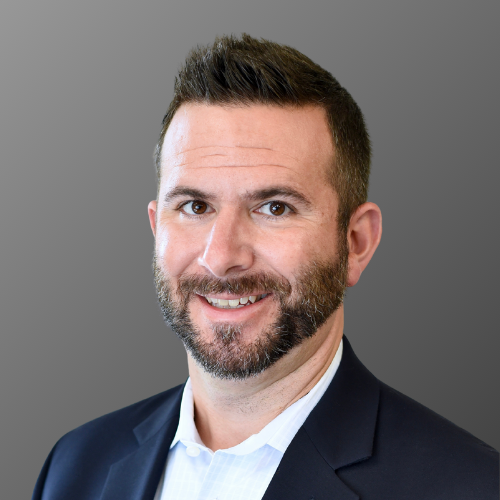
Phil Lampugnano, CPA, MBA | Partner at CDH
From a Connection to a Calling
Phil’s entry into boutique hospitality was organic. “One of my associates had connections with a few individuals who invested in and managed boutique hotels, and he introduced me to them to discuss their accounting needs. That relationship really launched our hospitality practice. These were all self-managed hotels with fewer than 100 rooms, and it became clear very quickly how much responsibility was being carried by lean teams.”
What he found in those early conversations stayed with him. “In boutique hospitality, people are constantly wearing multiple hats. Operators are focused on creating memorable guest experiences while also trying to manage the realities of payroll, cash flow, vendor management, budgeting, forecasting, and financial reporting. What keeps me passionate about this industry is being able to step in as a true partner and help relieve some of that pressure.”
Making Finance Feel Less Like a Foreign Language
For many boutique hotel owners, finance is a necessity, not a passion. Phil understands that, and he doesn’t approach those conversations with a ledger in hand.
“Most business owners, regardless of industry, didn’t get into their field because they were passionate about finance. Boutique hotel owners are typically focused on hospitality, guest experience, design, and operations — but they quickly realize how important strong financial management is to long-term success.”
His approach is straightforward. “We help clients build the right processes, technology stack, and reporting structure so they can receive accurate and timely data without feeling overwhelmed by it. Once owners have reliable information in front of them, the conversation shifts. Financials stop becoming a source of stress and start becoming a tool for decision-making. They can better understand profitability, staffing levels, seasonality, cash flow, and where opportunities exist to improve operations and grow sustainably.”
A More Pressured Landscape
The financial environment independent hotel owners are navigating today looks meaningfully different than it did five years ago, and Phil’s client conversations reflect that shift.
“The conversations today are much more focused on visibility, flexibility, and cash management. Labor costs, insurance, interest rates, and operating expenses have all increased significantly, while guest expectations remain extremely high. Independent operators are feeling pressure from multiple directions at once.”
In that environment, the operators who stay ahead tend to share a few common traits. “The operators who tend to be the most prepared usually have a few things in common: they embrace technology, they prioritize timely financial reporting, and they are willing to make decisions based on data rather than instinct alone. They also tend to view their accounting and finance team as a strategic partner instead of simply a compliance function.”
What True Financial Visibility Actually Requires
Fragmented reporting is one of the most persistent challenges in hospitality, and Phil is direct about what it takes to solve it.
“True financial visibility starts with having the right systems, processes, and people in place to produce accurate and timely reporting. Without the right systems, operators often end up relying on massive spreadsheets and disconnected workflows that create inefficiencies and uncertainty.”
The people side of the equation matters just as much as the technology. “It takes the right team members at every level who understand both the operational side of hospitality and the financial process behind it. When those pieces come together, operators gain meaningful visibility into departmental performance, labor costs, cash flow, and profitability across the business. I’ve seen clients fully embrace that process and completely transform the way they make decisions.”
The Systems That Make Clarity Possible
Choosing the right financial system is one of the most consequential decisions an independent hotel can make, and it’s an area where Phil has spent considerable time guiding clients.
“Hospitality accounting can become extremely complex very quickly. Costs are spread across departments, payroll allocations can be extensive, and for management companies overseeing multiple properties, the accounting structure can become even more challenging.”
CDH has championed the adoption of Sage Intacct for hospitality clients, drawn primarily to its flexibility and integration capabilities. “Instead of forcing businesses into rigid account structures, Sage Intacct allows transactions to be tagged across multiple dimensions, such as departments, properties, entities, or locations. For hospitality operators, that flexibility is incredibly valuable.”
The ability to connect systems is equally critical. “Hospitality businesses rely on multiple systems — PMS platforms, payroll providers, POS systems, expense management tools, and more. Seamless integration between those systems is what allows financial reporting to actually reflect what’s happening across the operation.”
For hotel owners evaluating their own systems, Phil offers a reframe. “The biggest question is not simply ‘Can this system handle accounting?’ but rather ‘Can this system scale with my operation and give me actionable visibility into my business?'”
The Blind Spots That Cost Operators the Most
When Phil starts working with a new hotel client, certain patterns show up with regularity.
“One of the most common blind spots is delayed or inconsistent financial reporting. Many operators are so focused on the day-to-day demands of running the property that financial processes become reactive instead of proactive. Often the day to day demands would jeopardize the accounting function’s accuracy and can leave things on the books that are a surprise for operators later.”
The challenge, he notes, isn’t always a lack of information. “In many cases, the information technically exists, but it’s spread across different systems or isn’t being reviewed in a way that supports decision-making. Those gaps are easy to miss internally because boutique hotel teams are typically lean. People are balancing guest experience, staffing, operations, and vendor management all at once. Over time, inefficient processes can simply become ‘the way things have always been done.'”
Building Something That Lasts
For Phil, the work at CDH points toward something larger than accurate books and clean reporting.
“Long-term success for independent hotel owners goes far beyond profitability. It’s about building a sustainable operation that delivers exceptional guest experiences, supports employees, adapts to market changes, and creates long-term value for ownership.”
CDH’s role, as he sees it, is to make that possible from the inside out. “At CDH, we view our role as helping create the financial foundation that allows those things to happen. Accurate reporting, strong processes, forecasting, and scalable systems give operators the confidence to make better decisions and focus on growth rather than constantly reacting to problems. When we do our job well, owners spend less time worrying about accounting and more time focusing on their guests, their team, and the long-term vision for their property.”
Why BLLA
Phil sees the BLLA community as a natural fit for the work CDH does and the relationships it values.
“Boutique hospitality is such a relationship-driven industry. Independent hotel owners and operators face unique challenges, and there’s tremendous value in being part of a network that brings together people who genuinely understand the space. BLLA creates an environment where operators, service providers, and industry leaders can share ideas, learn from one another, and continue elevating the boutique hospitality experience. For us, it’s an opportunity to build meaningful relationships and contribute financial and operational expertise that helps independent hospitality businesses grow and succeed.”
Phil’s work is a reminder that financial clarity isn’t just a back-office function. It’s what allows boutique hotels to stay independent, stay intentional, and stay focused on the experiences that set them apart.
CDH is a verified vendor partner of BLLA. View their marketplace page here.