Built to Last: Andreanna Mazereeuw on Luxury, Brand, and the Long Game
Andreanna Mazereeuw didn't build Wallop around winning pitches. She built it around something harder to manufacture and more difficult to walk away f...
BLLA Editorial Team
August 10, 2026 – 10 min read
Andreanna Mazereeuw didn’t build Wallop around winning pitches. She built it around something harder to manufacture and more difficult to walk away from: results that actually last.
As President of Wallop, a strategy and digital firm specializing in luxury and experiential hospitality, Andreanna leads a team that works with hotels, resorts, and hospitality brands on digital strategy, brand, creative, and website development. The model is deliberately different from the typical agency relationship. No one-off campaigns, no handoff and disappear. Just long-term partnerships built around a single question: did bookings actually grow?
Originally from Canada’s west coast, Andreanna has lived and worked across the Netherlands and the UK before returning home to Gibsons, British Columbia. Those experiences, moving through different cultures and different versions of what hospitality can feel like, quietly inform everything she brings to her clients.
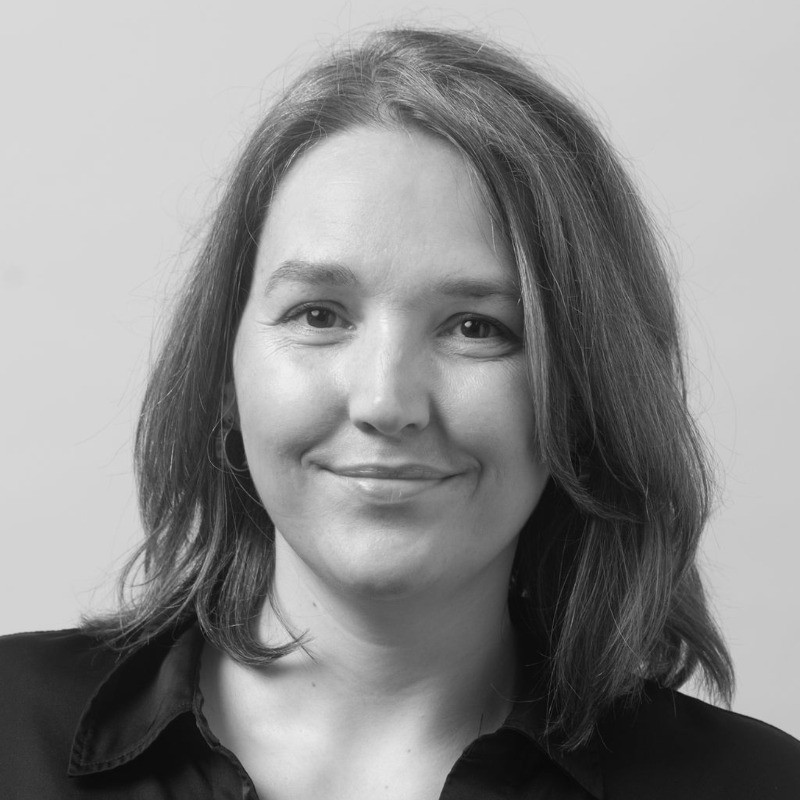
Andreanna Mazereeuw | President of Wallop
Built for the Long Game
Most agencies are built around projects. Wallop is built around something else entirely.
“Our goal at Wallop is genuine results. Did bookings actually grow? That’s always the measure that matters. Since you can’t deliver meaningful results through a single brand strategy, marketing project, or website, a long-term partnership is simply what makes the most sense for long-term success.”
That model changes the nature of the work itself. “It allows us to get into the weeds on the client, brand, and property, leading to better work and more trust. When we have that tenure with a client, we can be a real, trusted strategic advisor rather than a vendor. This provides relief from the carousel of agencies that overpromise, or do the work and vanish, which can make a property’s marketing feel ineffective and disjointed.”
It also changes the incentive structure. “If we don’t perform, clients don’t stay, so we both have the same goal. This is why we are selective in who we work with.” The proof, as Andreanna puts it simply, is in the tenure. “We have clients we’ve worked with for over a decade, which is the best proof I can offer that our model works.”
The Gap Between the Property and the Page
When Wallop starts working with a new client, Andreanna often visits in person. And almost every time, something becomes immediately clear.
“I often do an in-person property visit and instantly think, ‘Oh, this is what it is.’ There’s a magic that can come through in a way you don’t see online. That gap, between the felt experience and the digital one, is usually a strategic issue for hotels rather than a cosmetic one.”
The root cause, she finds, is almost always the same. “I regularly see this happen when properties try to sell around the features they offer, instead of around the guest’s actual motivation to visit. This is a trap that even great property teams can fall into. Since they’re living in the magic of their property daily, the intangible parts of the experience can feel so obvious that they forget to mention them.”
The other version of this problem is internal misalignment. “When a marketing team’s vision is different from the owner’s vision, the brand can feel inconsistent or just not clear. This can show up in a number of ways: a lack of a point of view, generic language, weak photography. Once we’re working from the same understanding, we can bring the feeling of being on-property to a guest who’s never actually set foot there, and inspire past guests to come back.”
The Shift That’s Changing Everything
Guest discovery is changing faster than most hotel marketing strategies are keeping up with, and Andreanna is navigating that shift with clients in real time.
“Hotel discovery is definitely in the midst of a change. Guests are researching across more channels than ever before, and more and more are using AI. This means it’s harder to control your story, and easier for all of the storytelling around your property to be reduced to just a rate and star rating.”
The properties rising to meet that challenge share a common approach. “Forward-thinking properties are responding to this by owning the guest relationship directly, rather than renting it from OTAs. When your brand and booking experience have a genuine point of view and are strong enough to earn direct bookings, you don’t have to lean so heavily on those OTAs. But for a long time, hospitality marketing was targeted around new guests instead of bringing back existing ones. It’s a strange oversight, and closing it is a big part of truly owning your guest relationships.”
For lean hotel teams, the pressure of keeping up with a shifting landscape is real. “This is why the right agency partner matters more than ever. It’s about taking that pressure off internal teams, and offering a holistic approach for success: bringing data together into a better-educated brand, website, and marketing strategy.”
Translating Brand Into Business Outcomes
Getting ownership and leadership aligned around brand and digital investment is one of the more persistent challenges in hotel marketing, and Andreanna has developed a clear point of view on how to navigate it.
“For so many properties, the hard part is attribution. The guest journey is long and multi-channel, so it’s inherently difficult to know where to place the credit.”
Her response to that complexity is direct. “Our job is to translate brand and digital into metrics that owners actually care about: direct booking share, lifetime value, and cost of acquisition, and show the connection. This is really the argument for having a strong brand to begin with. It’s not vanity, but pricing power and lower acquisition cost.”
Alignment, she finds, is often less about strategy and more about language. “I always start by grounding the conversation in actual numbers, so it’s not just opinions floating around. A lot of what looks like misalignment can actually just be a vocabulary problem.”
Surface vs. Substance
Beautiful photography and polished copy matter. But Andreanna is clear about what they can and cannot do on their own.
“These days, they’re more table stakes: certainly critical, but you can’t expect them to do all of the heavy lifting. What converts beyond the surface level branding is real substance, a clear point of view, and a booking path that doesn’t make potential guests work to give you their money.”
The gap between surface and substance is something guests feel immediately, regardless of how much has been spent on imagery or positioning. “There isn’t any amount of beautiful imagery or marketing that survives that gap. Substance can only come from people who genuinely care, truly believe in the property, and who stand behind what makes it special even when that isn’t the most profitable choice.”
Andreanna is candid about where she sees this most at risk. “There is some threat to this from new capital flowing into boutique and lifestyle-focused properties. My concern is that it can sometimes lead to short-term thinking. When people look for more immediate returns, it’s easy to cut non-commercial elements that made a place special: long-tenured staff, details that don’t scale, and parts that were never about margins. The properties that keep their magic through growth and retain guests are the ones where owners and operators alike understand what they’re protecting.”
Being Deliberate With Limited Resources
For independent hotels making brand and digital decisions without a dedicated internal team, Andreanna’s advice is less about doing more and more about being deliberate.
“The realistic approach isn’t about just doing less, but instead about being deliberate about sequence and what to delegate. Hospitality marketing is a world with endless new tools and platforms with big promises, and it’s tempting to chase that. But I always recommend resisting until the essentials are actually in place.”
The sequence she recommends starts with brand. “As an independent property, your superpower is your authenticity, the meaningful moments, and all of those things the big flags can’t manufacture. But you can only get the benefit if you’ve done the work of understanding your guest and what they’re looking for.”
From there, it’s about the fundamentals. “A fast, conversion-focused website, a clean direct-booking path, and paying attention to the channels that actually matter for your property. What moves the needle is different for every brand, and this is how you can turn limited resources into an advantage.”
The staffing answer, she says, is simpler than most people expect. “The answer isn’t to build a large in-house team. Instead, I often see more success with keeping ownership in-house for key priorities and decisions, and then looking to strategic partners for expertise on things you can’t justify hiring full-time for.”
What Luxury Actually Means
Andreanna’s years living across Canada, the Netherlands, and the UK didn’t just shape her career. They shaped her understanding of what hospitality is actually trying to deliver.
“For me, luxury is relative, not fixed. Some places signal a version of luxury with grandeur and abundance, and others signal it through understatement and restraint. The part that’s consistent across all of them is how a guest feels: if they feel taken care of and part of an experience that could only be there.”
Each place she lived left its mark. The Netherlands gave her the concept of gezellig, that almost untranslatable Dutch word for a particular kind of warmth and ease. “When I think of gezellig, I think of a terrace in the early evening, a warm, light wind, my favourite people, a glass of wine and something to snack on. Music playing, but not too loud. Conversation is easy, laughter comes naturally, and there’s no rush to be anywhere.”
The UK offered something quieter. “Understatement and quiet care. A snug pub, a long lunch, good manners, and little details like your glass being refilled before you even noticed it was empty.”
And British Columbia brought her back to something elemental. “The calm of nature, the vast space, and this connection I’ve always felt to the ocean and the mountains. Here it’s more a luxury of scale and quiet, instead of opulence.”
The lesson she carries from all of it: “Luxury can’t be a checklist. It needs a point of view and a real understanding of who your specific guest is, all with an undercurrent of warmth and care.”
Why the Boutique Movement
For Andreanna, the boutique movement isn’t a market segment. It’s a set of values she recognizes in the best version of her own work.
“When I get to sit with the owners, and they show me their property and how much they love it and want to share it, it’s absolutely infectious. That love and passion are what create the experience guests actually want: a sense of place, connection, and character. This really can’t be manufactured, and it can only come from someone who cares.”
She sees a direct parallel in how Wallop operates. “We’re not chasing a tech product or SaaS like lots of agencies, and instead have an approach that’s grounded in people and relationships, work that we’re proud of, and having integrity in what we do. We don’t see hospitality as a platform, but instead as people: our clients, their guests, and our team.”
“So, I believe in the boutique movement because it’s where I want to stay.”
What runs through everything Andreanna does, the long-term partnerships, the brand work, the focus on substance over surface, is a belief that the best hospitality isn’t manufactured. It’s protected.